Did you like this article?
Share with your friends
Join our newsletter

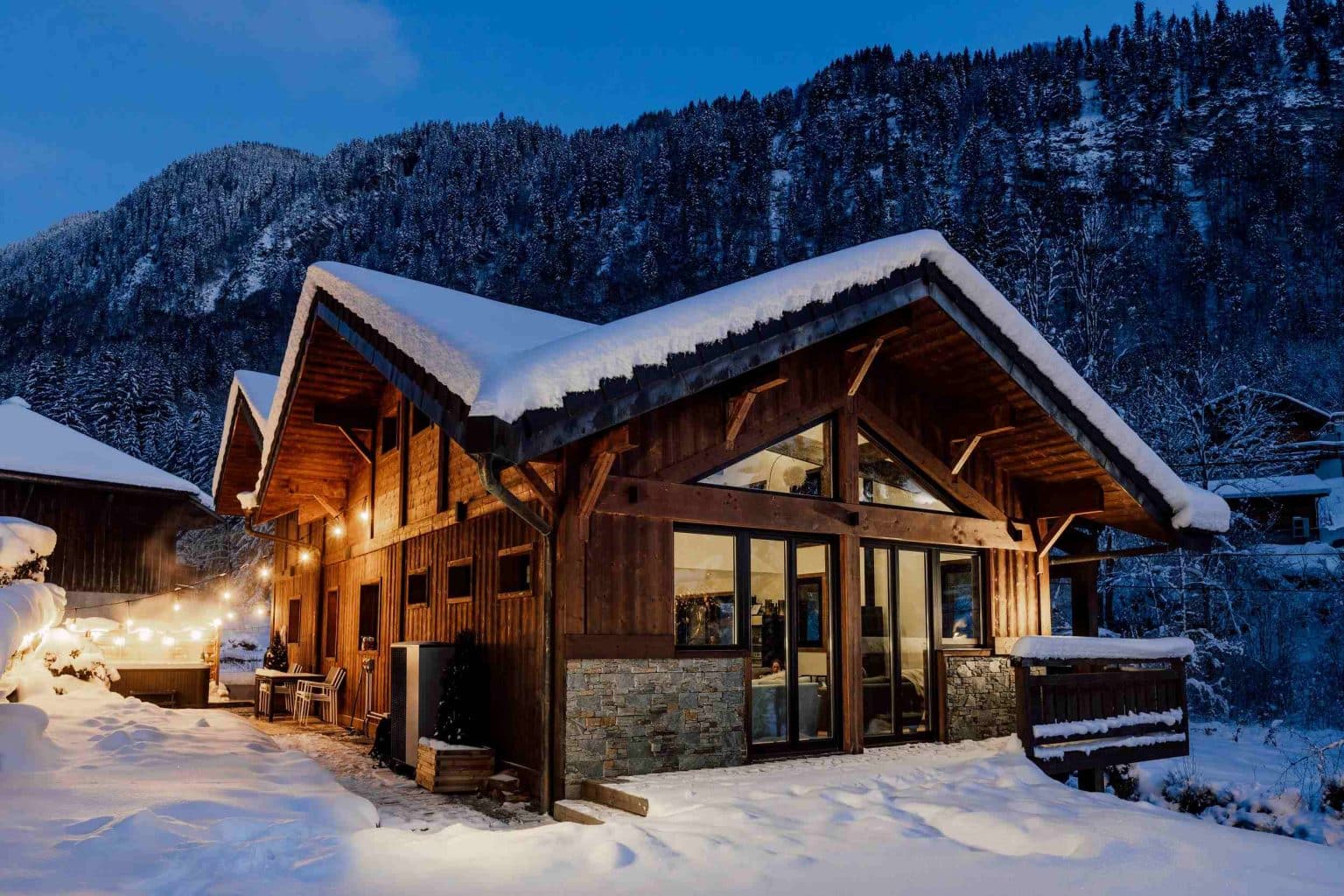
Rising energy costs, stricter regulations, and climate awareness are driving sustainable chalet design in the Alps. We spoke to Steve Downs, founder of ECSUS Design, to explore how to build an eco ski chalet that’s energy-efficient and built for the future.
ECSUS Design founder Steve Downs is proving that it is possible to build homes — even in extreme mountain climates — that work in harmony with their surroundings. He moved to the Alps with his family a decade ago to build chalets using SIPs (Structural Insulated Panels) and other integrated eco systems and materials, and has since developed a large portfolio of AA energy-rated properties in the Morzine area.
Having seen how effective these systems are — AliKats’ Chalet Riviere was designed by ECSUS — we were eager to learn more about this approach. Here, Steve shares how these high-performance eco chalets are designed and built, and how these versatile designs can create everything from cosy, chocolate-box chalets to more modern styles with large open-plan spaces.
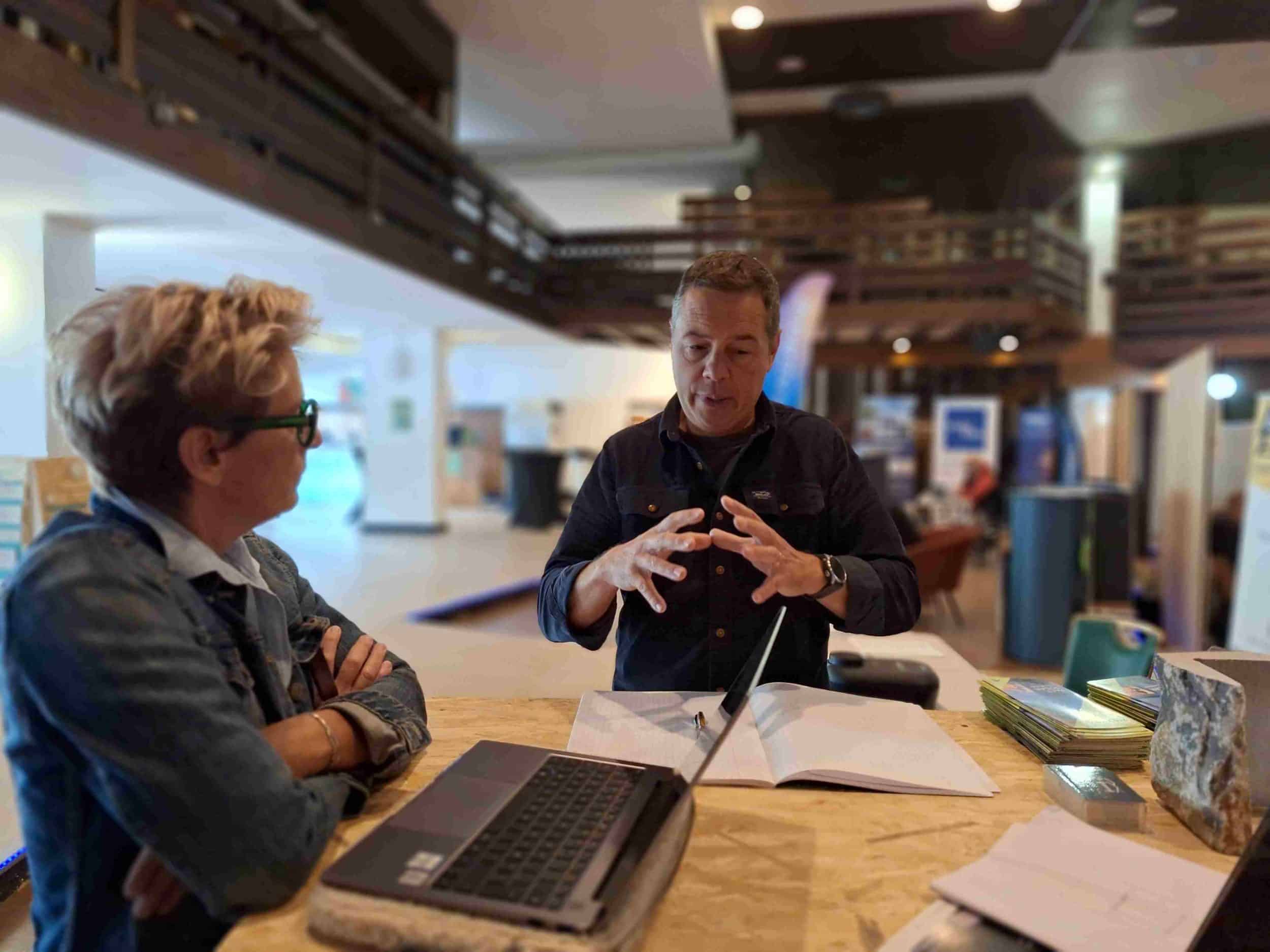
Designing an eco-friendly chalet in the mountains presents unique challenges. Traditional timber-clad exteriors can be deceptive: many ski chalets are actually built with large amounts of concrete to withstand extreme weather. While concrete is structurally effective, it results in low energy efficiency, higher heating demands, and a significant environmental impact. Reducing the amount of concrete used in our designs is therefore essential.
Alpine chalets must also cope with dramatic seasonal variations. People often forget that although we’re in the Alps and winters are very cold, we also experience very intense sunshine in the warmer months. In fact, overheating during the summer is one of the biggest issues for buildings here.
Good design therefore needs to carefully manage insulation, orientation and cooling to keep homes comfortable year-round — particularly as Alpine summers are becoming increasingly busy and, in some destinations, now rival the winter season for visitor numbers (in Chamonix, summer overnight stays reportedly surpassed winter for the first time in 2024).
We look to renewable solutions for cooling, helping to reduce both energy consumption and running costs. ECSUS homes retain warmth during winter while preventing excessive solar heat gain in summer.
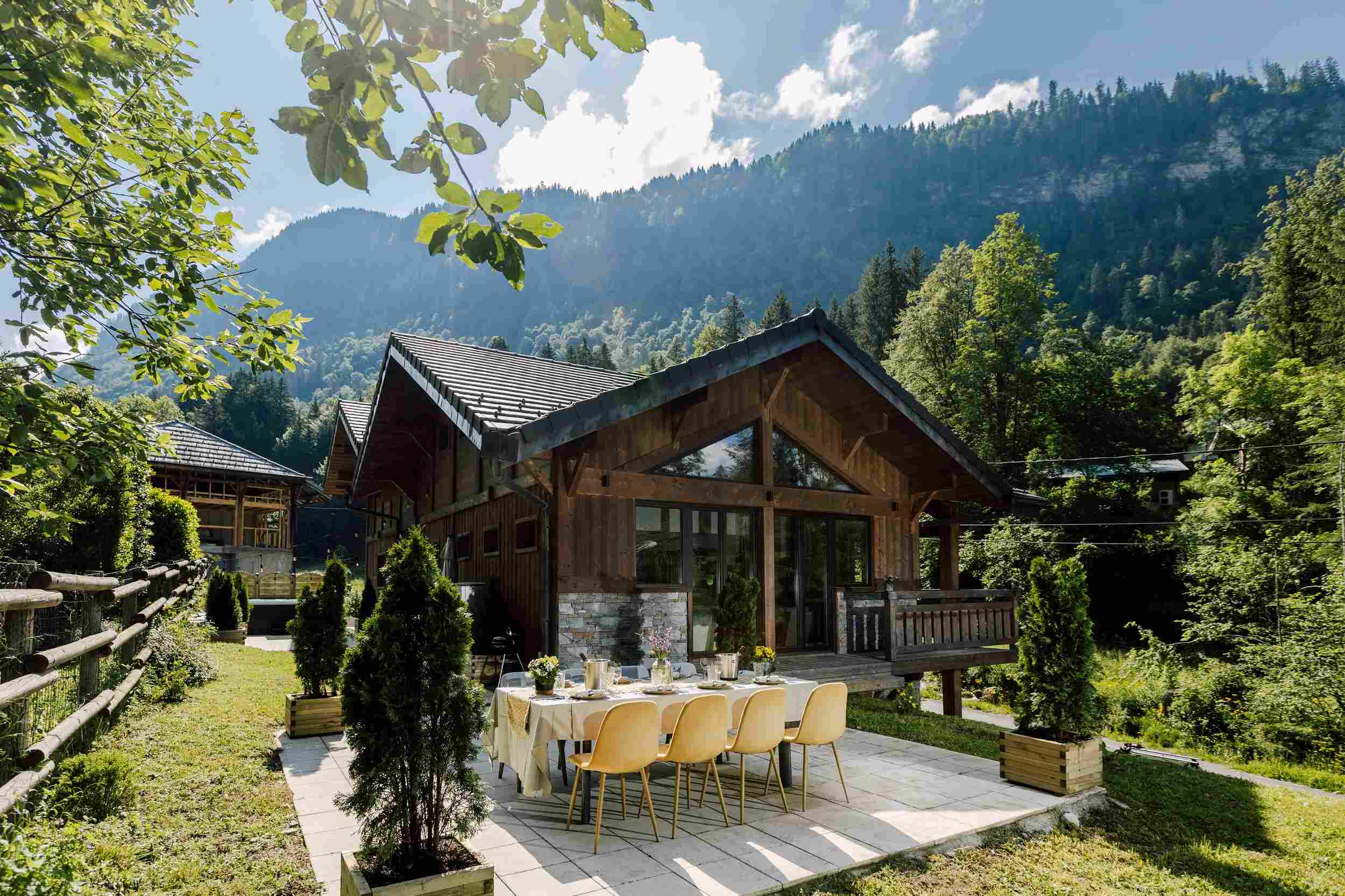
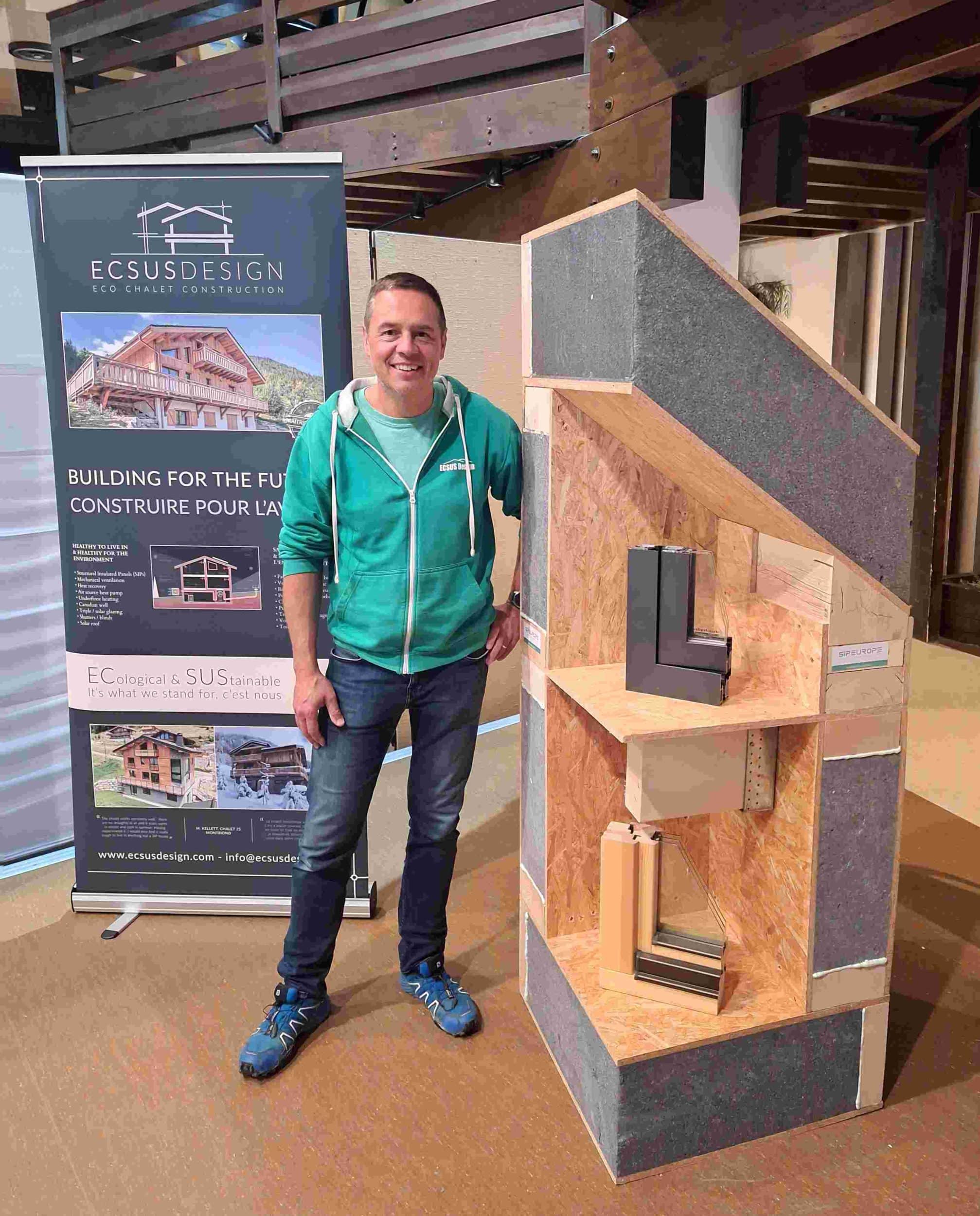
Structural insulated panels (SIPs) are used to achieve this balance. SIPs consist of a layer of insulation sandwiched between two timber boards. They create walls, floors, and roofs that are strong, stable, and airtight.
The airtightness of SIPs is a major advantage over traditional timber-frame construction. In conventional builds, timber frames are assembled piece by piece. As the wood dries, it naturally shrinks and shifts, creating small gaps that allow air to leak in or out, which can significantly increase heat loss. SIPs, on the other hand, are manufactured as single, continuous panels, meaning they maintain their shape and seal over time, dramatically reducing air loss and energy waste.
Engineered timber elements such as Glulam (glue laminated timber) beams are used alongside SIPs to create large open-plan living spaces, these don’t shrink or stretch, remaining much more stable than solid timber. This combination also reduces the risk of moisture and mould, creating a healthier indoor environment.
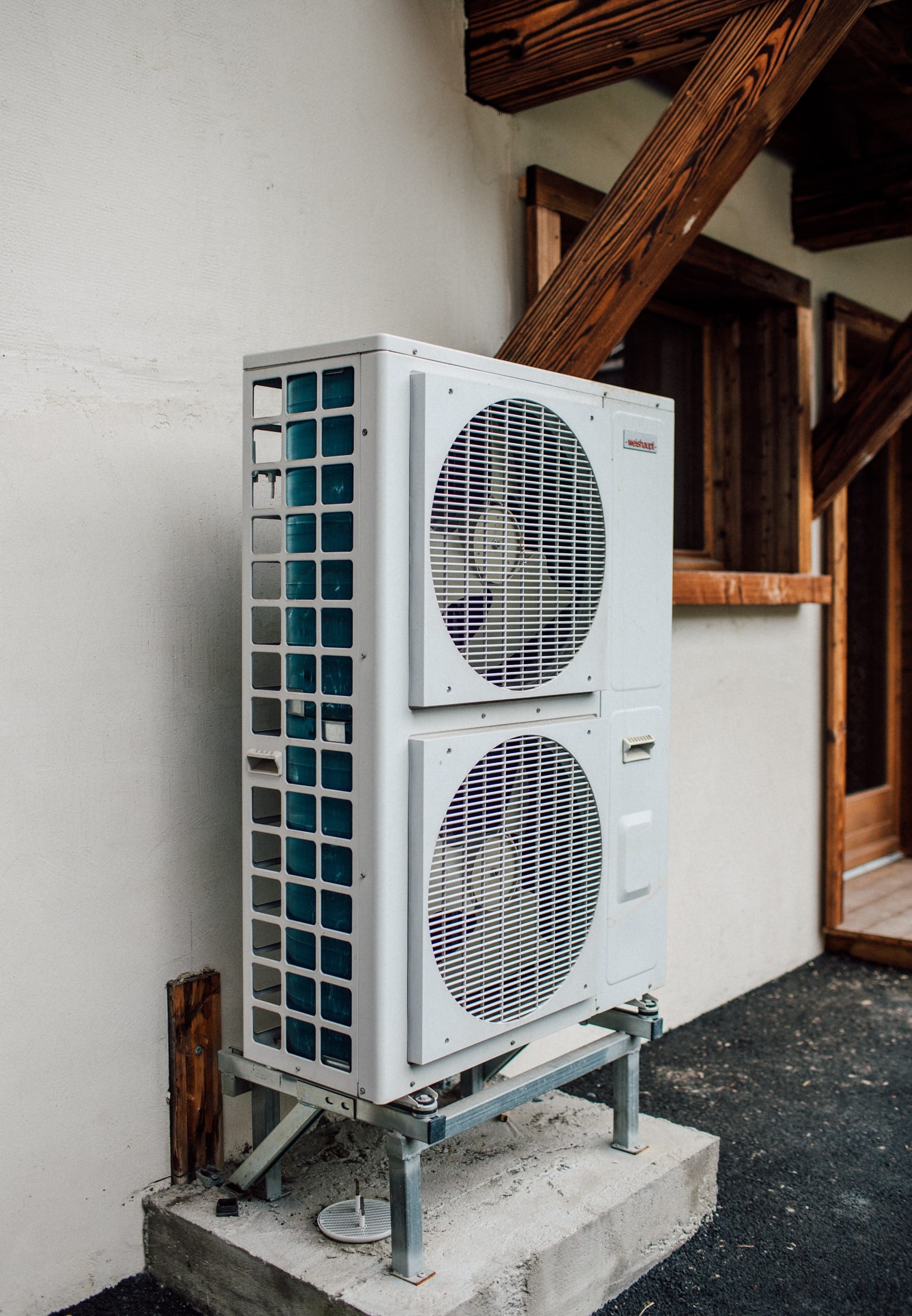
Once a building envelope is airtight and well-insulated, efficient heating, cooling, and ventilation systems become the next priority. Instead of gas or oil boilers, we use air-source heat pumps, which are over three times more energy-efficient. These systems extract heat from the outside air — even in extremely cold temperatures down to –20°C — and transfer it to both the chalet’s tap water and underfloor heating. This combination of air-source heat pumps paired with underfloor heating provides a gentle, even, low-temperature heat across the entire space. Gently warming a large area of floor is up to 40% more energy-efficient than quickly delivering high temperatures to a small traditional radiator.
Ventilation is equally important. Many older alpine properties simply extract warm air and draw in cold air, wasting energy. ECSUS incorporates mechanical ventilation with heat recovery (MVHR), which captures heat from outgoing air and transfers it to incoming fresh air, significantly reducing energy consumption.
Canadian wells are a passive geothermal solution that further reduce energy use, and have been hugely successful in our chalets. Outside air is drawn through a 40–50 metre underground pipe buried around 1.4 metres deep. At this depth, the ground remains a steady 12–14°C year-round, naturally warming air in winter and cooling it in summer before it enters the ventilation system.
Solar energy can also be integrated into the roof design, minimizing visual impact while contributing to energy efficiency. Additional features, such as triple glazing and electrically operated Venetian blinds, prevent heat loss and overheating.
When these elements work together, energy savings can be substantial. Energy usage in ECSUS designed chalets can be reduced by up to two-thirds compared with conventional construction. For example, a four-bedroom chalet of around 180 m² may have annual electricity bills of €1,500, compared with €6,000–7,000 for a similar sized property build with traditional methods. Over the lifespan of a building, these savings are significant, especially since renewable systems often operate for 20–25 years or more.
Sustainable material choices further reduce environmental impact. We use materials that are grown, recycled, or sourced locally, such as Morzine slate, local stone, or marble from nearby Italy, minimizes transportation and embodied carbon, contributing to a truly sustainable property.
By harnessing natural resources and designing energy-efficient chalets, each ECSUS minimizes its impact on the surrounding environment, achieves an AA energy rating, and complies with French environmental regulations RE2020.
If renovating older properties, the most impactful improvements usually start with insulation, which makes heating in winter and cooling in summer much easier. Upgrading windows to double or triple glazing further reduces heat loss.
Heating systems are another key focus. Chalets with water-based underfloor heating can be upgraded with heat pumps operating at low water temperatures (30–40°C). Older radiator systems requiring higher water temperatures can be replaced with low-temperature radiators to improve efficiency.
Every renovation needs an individual assessment, but focusing on insulation, windows, and heating generally delivers the biggest gains in energy efficiency and comfort.
Building land in the Alps can be difficult to find, so it’s good to be flexible on location and it is essential to do your research. Estate agents respond better to buyers who have done their research, understand likely costs, have an architect and building company in mind, and access to funding. Understanding construction costs early also ensures projects remain realistic and enables you to act quickly when suitable land becomes available.
Tools like ECSUS’s budget calculator help estimate construction costs based on property size and other key project details. For holiday homes, consulting property management companies (such as AliKats) is useful to guide design choices. Considerations like the number of bedrooms, whether bedrooms need to be en suite, or if a garage is important — are features that can make a big difference to rental demand.
ECSUS is now beginning to offer SIP structures to constructors, developers, and architects across France, helping others build more sustainably and contribute to a greener future. Having demonstrated what’s possible even in extreme mountain climates, we’re optimistic that a broader shift towards high-performance, low-impact homes is on the horizon. The combination of innovative design, growing consumer demand, and supportive regulation suggests that the future of Alpine architecture will be greener, healthier, and more energy-efficient than ever before.
If you’re dreaming of building a chalet that’s comfortable, energy-efficient, and in harmony with its surroundings, ECSUS can help — from finding the perfect plot of land to architectural design and construction. Get in touch to talk through your vision and turn your dream into a reality.
For advice on incorporating design features suited to the Morzine rental market, AliKats has 15 years of experience in this area and can help ensure your property works well for both you and your clients, maximizing the return on your Alpine investment – please get in touch and we will be happy to help.
AA energy rating – A certification indicating that a building meets very high energy efficiency standards, with low energy consumption and minimal heating costs.
French environmental regulations RE2020 – A set of building standards in France focused on reducing energy consumption, improving thermal comfort, and lowering carbon emissions in new constructions.
SIPs (Structural Insulated Panels) – Prefabricated building panels consisting of a layer of insulation sandwiched between two structural boards, typically timber, creating strong, airtight walls, floors, and roofs.
Glulam (Glue Laminated Timber) – Engineered timber made by gluing together layers of wood, creating strong, stable beams that resist warping, shrinkage, and moisture better than solid timber.
Air-source heat pump – A heating system that extracts heat from the outside air and transfers it indoors, providing efficient heating even in cold climates.
Ground-source heat pump – A heating and cooling system that uses the stable temperature of the ground to heat a building in winter and cool it in summer, typically via underground pipes.
Mechanical Ventilation with Heat Recovery (MVHR) – A ventilation system that removes stale air from inside a building while transferring its heat to incoming fresh air, reducing energy loss.
Canadian tubes (passive geothermal system) – A system where outside air is drawn through underground pipes, using the stable temperature of the ground to pre-warm air in winter and pre-cool it in summer before it enters the building.
Solar energy integration – Incorporating solar panels or passive solar design into a building to generate renewable energy or reduce energy use for heating and lighting.
Solar heat gain – The increase in indoor temperature caused by sunlight entering a building, which needs to be managed to avoid overheating in summer.
Summer has a habit of turning even the tidiest homes upside down. As children swap sandals for school shoes and routines return, September is the perfect time to refresh your home. A seasonal reset now will create a calmer, more organised space that’s ready for the cosy months ahead.
Continue reading...For small businesses, B Corp certification can feel daunting and costly. As a recently certified B Corp, we share our learnings and encouragement for other small enterprises considering the first steps towards certification.
Continue reading...Adopting a sustainable approach to chalet management protects the mountains you love while supporting the long-term success of your property.
Continue reading...If you’ve booked an AliKats holiday over the last year, you may remember a carbon neutrality transport contribution being added to the cost of your holiday. Here we explain why we introduced that contribution, what it amounted to and what it means for the planet. Minimising our carbon footprint is…
Continue reading...