Did you like this article?
Share with your friends
Join our newsletter

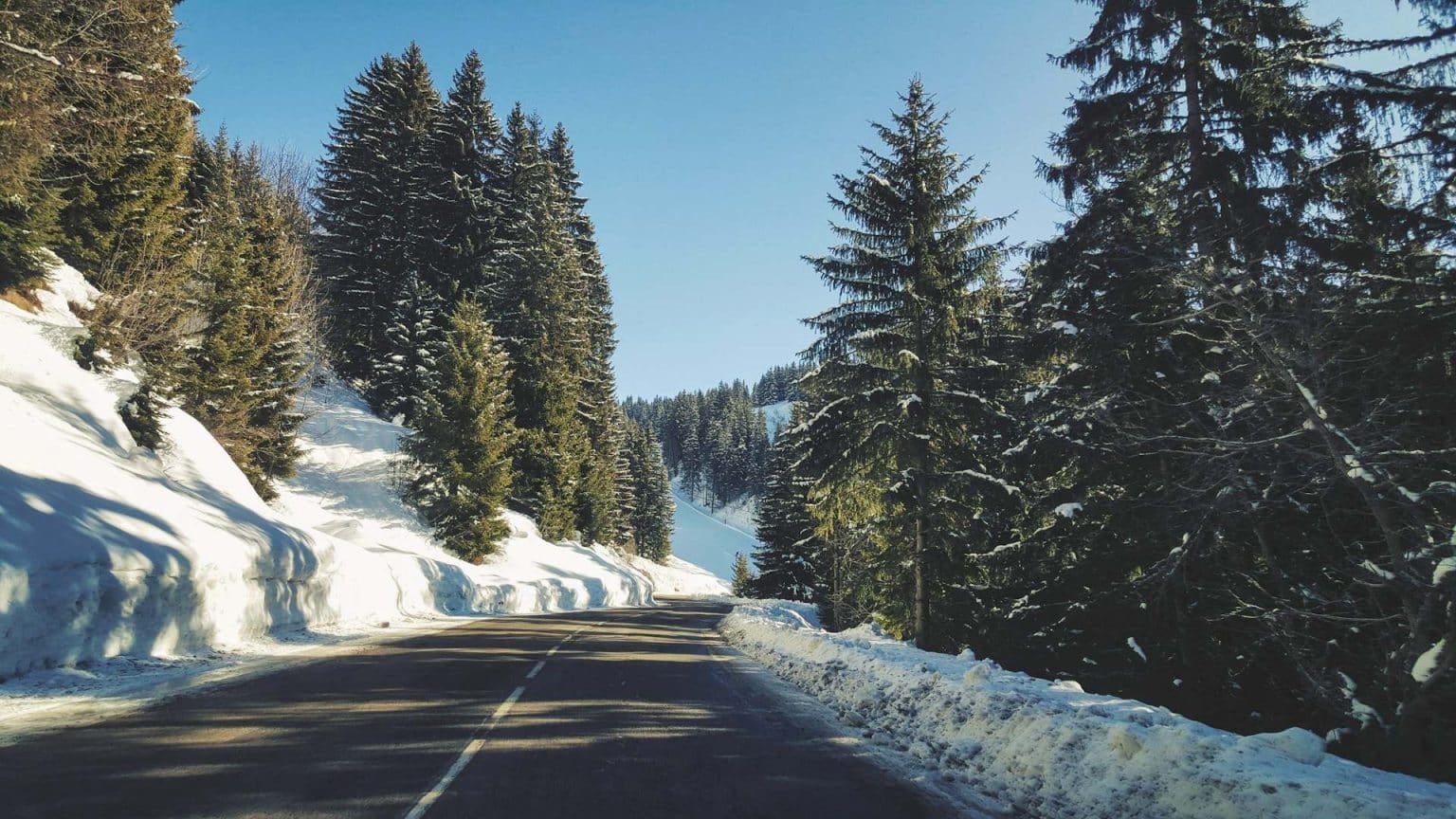
Pack the skis, make room for the dog and plan a few good stops along the way. Driving your electric car to Morzine starts with two useful checks: where you’ll charge en route, and where you can plug in when you arrive. This guide covers both, with practical advice for the journey and nine AliKats chalets offering Type 2 charging.
Pack the skis, make room for the dog and plan a few good stops along the way. Driving your electric car to Morzine starts with two useful checks: where you’ll charge en route, and where you can plug in when you arrive. This guide covers both, with practical advice for the journey and nine AliKats chalets offering Type 2 charging.
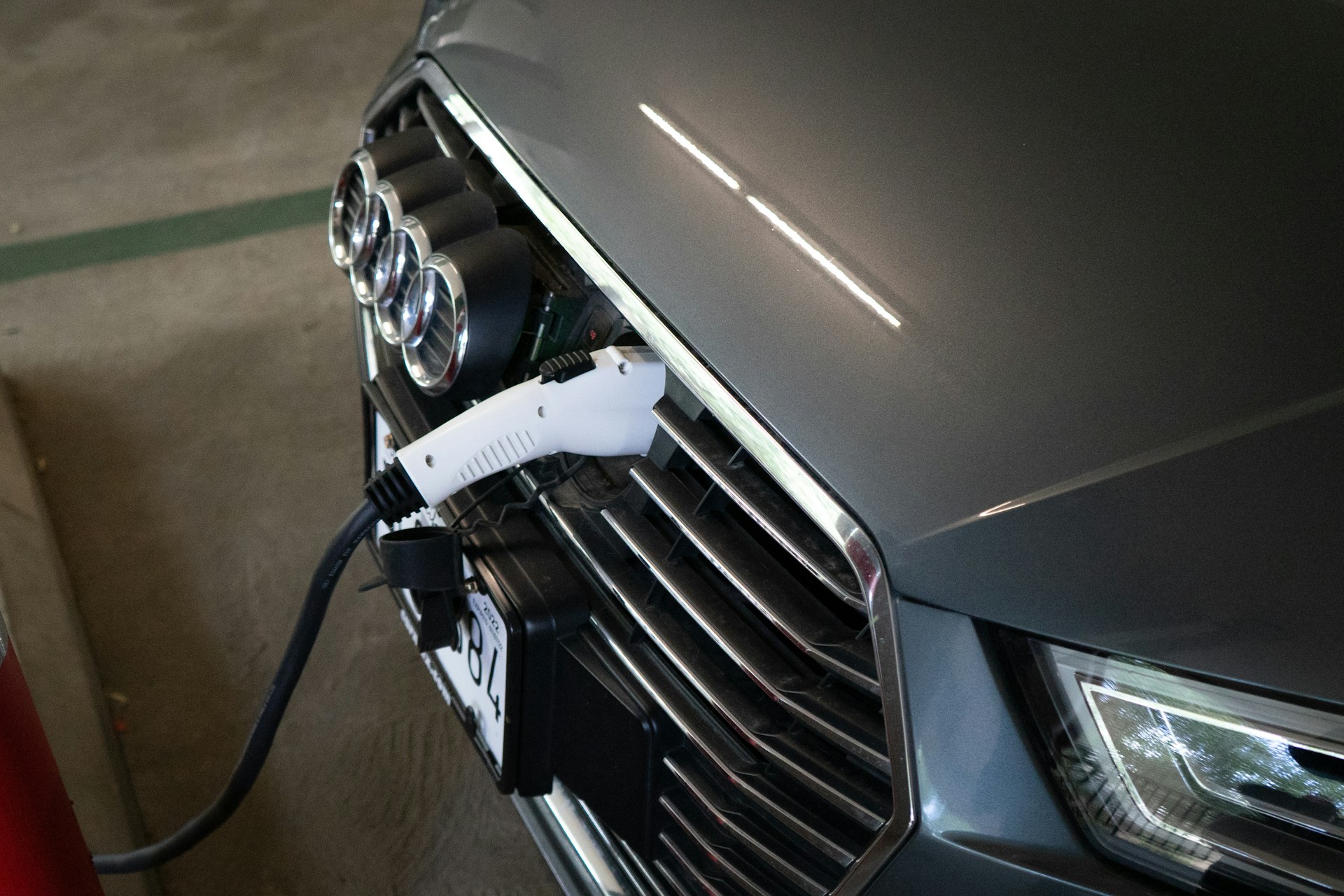
Travelling from the UK? LeShuttle has EV charging at both its Folkestone and Calais terminals, including rapid chargers and Tesla Superchargers. Check connector compatibility, current prices and access arrangements before departure, and allow time for charging as well as check-in.
You’ll find the latest details on LeShuttle’s EV charging page.
If you’re taking a ferry, check the arrangements for your particular ship and crossing. Plan to charge before boarding or after arrival unless your operator has confirmed onboard charging.
Build charging into the journey before you leave. Start with your car’s route planner, then check the proposed stops in a charging app. Choose places where you can eat, stretch your legs or give the children a break while the car charges.
For each stop, check connector compatibility, the number of charging points, recent driver reports and payment options. Identify a backup within comfortable reach, particularly before the final climb into the mountains.
If you’re breaking the journey overnight, accommodation with EV charging can be useful. Confirm availability, access, cable requirements and any charges directly with the property before booking.
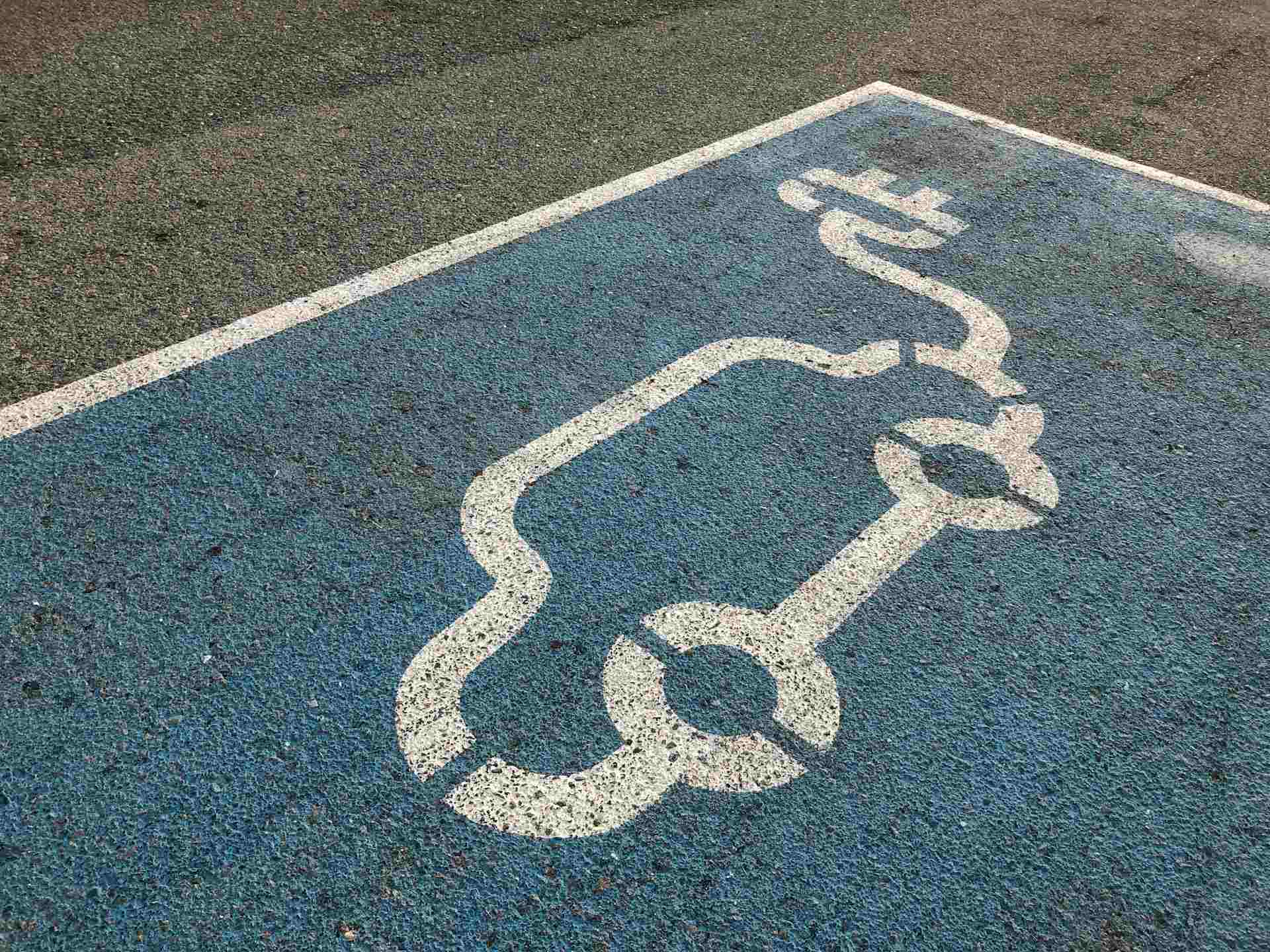
Payment methods vary between charging networks. Depending on the charger, you may be able to use a contactless bank card, the operator’s app or a compatible RFID charging card. Check your planned stops before travelling rather than relying on one payment method everywhere.
Set up the apps or cards you intend to use and add your payment details before departure. Always check the displayed tariff, including any time-based or idle fees, before starting a session.
Chargemap can help you find charging locations, check connector types and read recent driver reports. Use it alongside your car’s route planner to review stops and identify alternatives.
The Chargemap Pass provides access to participating charging networks. Check compatibility at each stop and compare the listed price with the operator’s own tariff, as costs can differ depending on how you pay.
If you expect to use the same network several times, a subscription may save money. Compare the subscription fee with the likely savings across your outward and return journeys, and check the cancellation terms.
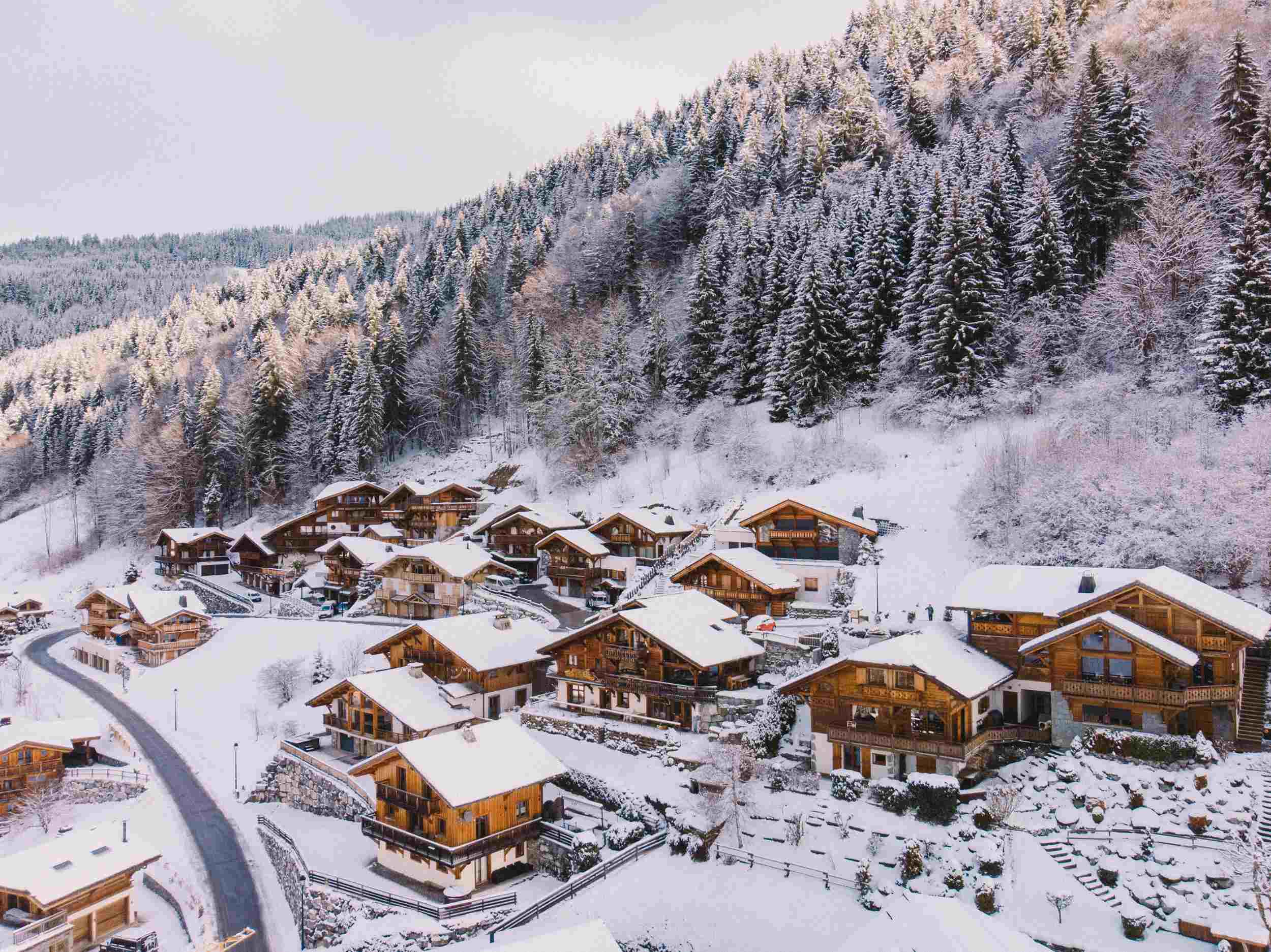
Nine AliKats chalets now have Type 2 EV charging, giving you a convenient place to top up while you settle into your holiday:
Before travelling, ask our team about the arrangements at your chalet, including cable requirements, access and any charging costs. Type 2 describes the connection: charging speed will depend on the installation and your car.
If you need to charge while you’re out, check Chargemap or your preferred charging app for nearby locations. Confirm connector type, availability, access restrictions and pricing before setting off.
All nine AliKats chalets listed above use Type 2 charging. Before leaving home, confirm whether you need to bring your own Type 2 cable.
For charging en route, check your car’s connector requirements against the stations in your route planner. Confirm whether a cable is attached to the charger or whether you need to supply your own.
If you’re unsure about compatibility, check your vehicle handbook or manufacturer’s guidance. A domestic travel adaptor is not a substitute for the correct EV charging equipment.
Plan around your car’s realistic range for the journey, rather than its headline figure. Motorway speeds, cold weather, luggage, roof boxes and the climb into the mountains can all affect energy use.
Leave a comfortable battery margin between stops so that queues, diversions or an unavailable charger don’t force a last-minute rethink. Before the final approach to Morzine, check that you have enough charge for the climb and any unexpected delays.
There’s no single charging schedule that suits every car. Let your route planner account for your vehicle’s charging characteristics, then adapt the stops to the people travelling with you.
Mountain driving needs a little preparation, whatever powers your car. Check the forecast before travelling and allow extra time when snow or difficult road conditions are expected.
For your EV, follow the manufacturer’s guidance on cold-weather charging and battery preconditioning. If your car supports it, warming the cabin while plugged in can help you start the day comfortably.
From 1 November to 31 March, designated French mountain areas require cars to have either four qualifying winter tyres or suitable snow chains or socks carried for at least two driven wheels. Tyres must carry the 3PMSF marking to qualify as the winter-tyre alternative.
Check the official French winter-equipment guidance and any additional requirements shown on local road signs. Make sure chains or socks are compatible with your vehicle, and practise fitting them before the journey.
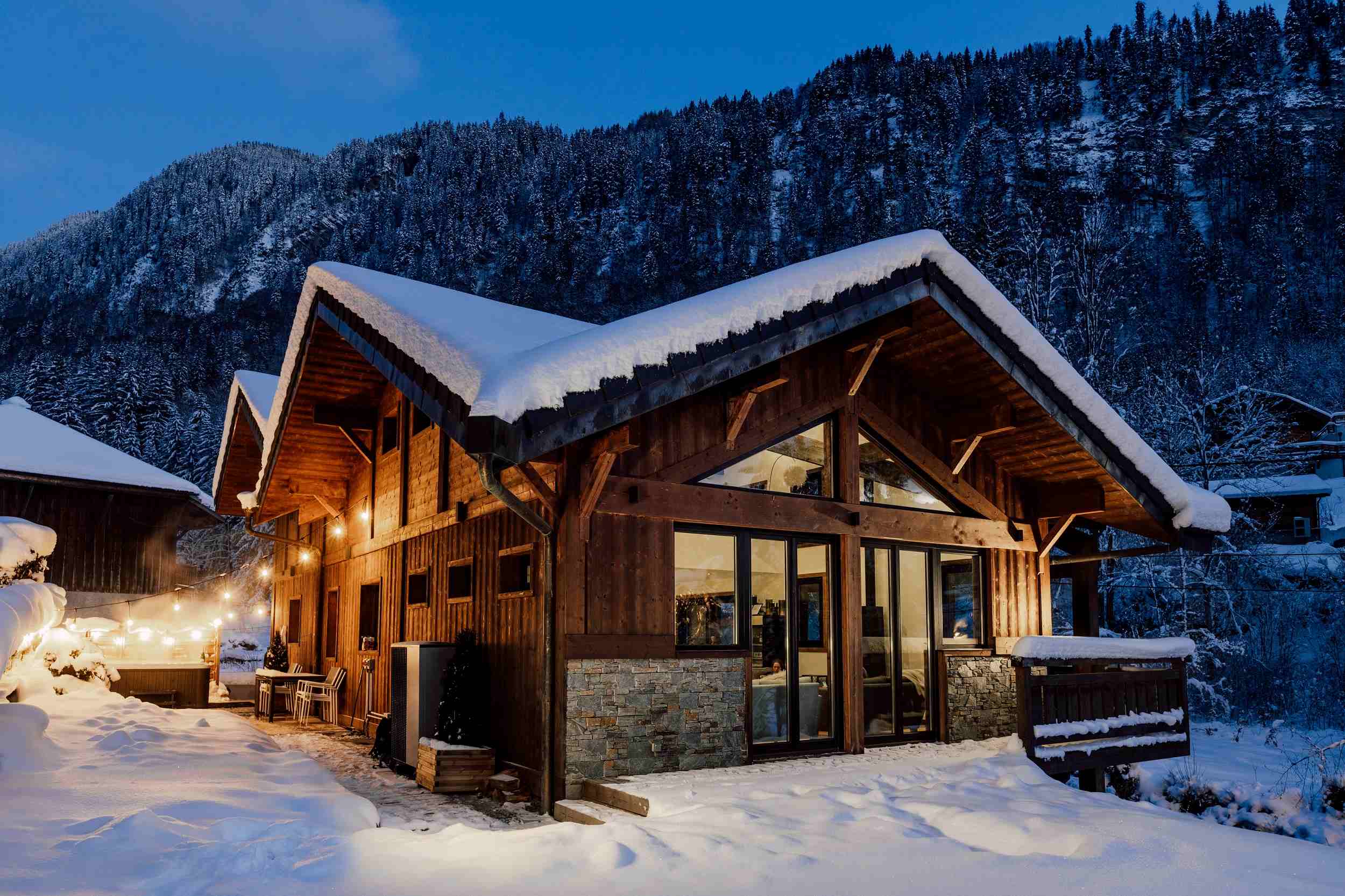
A few well-chosen charging stops and a place to plug in on arrival make a good starting point for your electric road trip to Morzine.
With Type 2 charging now available at nine AliKats chalets, you can top up while enjoying the part you came for: time in the mountains.
Explore AliKats’ Morzine chalets and speak to our team about the charging arrangements at your chosen property before booking.
Our honest guide to choosing the best week for your ski trip…
Continue reading...If you’re looking for a toddler-friendly holiday in France, your first thoughts might be Eurocamp or an all-inclusive beach resort, but if you seek privacy, independence and a taste of adventure, Morzine is a great choice. This pretty village in the French Alps boasts fabulous splash pools and lake beaches,…
Continue reading...Basking in Mediterranean sunshine might sound idyllic, but when temperatures climb towards 40°C, sightseeing, activities and even getting to the beach can quickly become draining. For a more refreshing summer escape, Morzine in the French Alps offers cooler mountain temperatures, shady forests, pristine swimming lakes, river sports and plenty of…
Continue reading...The 40th birthday trip is a growing trend, and heading to the Alps for a ski or snowboard holiday is hard to beat. Here are our top tips to help you plan a fantastic 40th birthday ski trip.
Continue reading...